Appliance Gas Line Installation in Enid, OK
Plan the supply and connection for your range, dryer, fireplace, or outdoor gas appliance—with the equipment requirements in view.
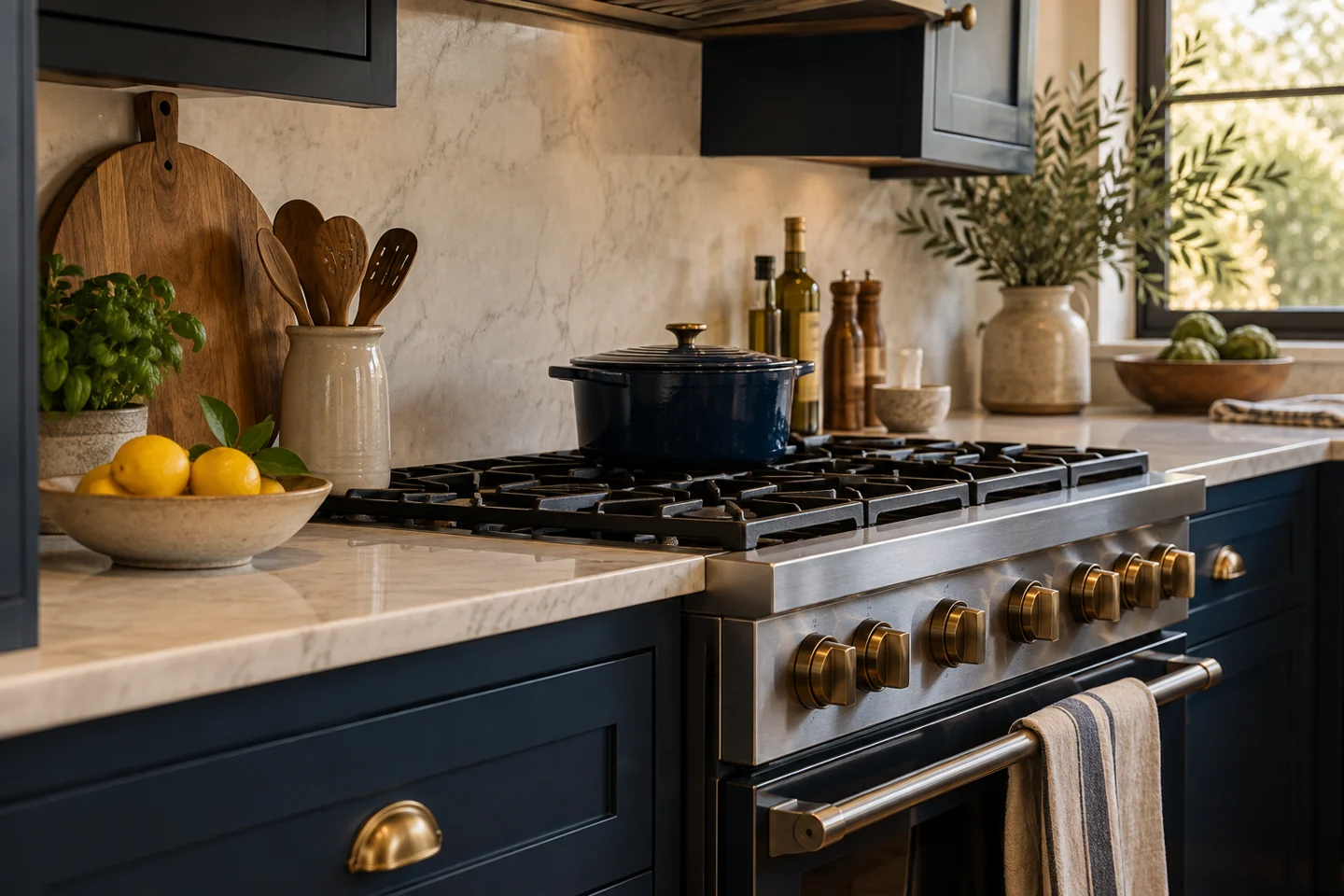
The connection is part of a larger supply
Appliance gas line installation concerns the supply and connection needed for equipment such as a range, dryer, fireplace, or outdoor gas appliance. The work may involve an existing branch, a new outlet location, or a wider supply change. A short connector is only the final part of that system, so suitability cannot be judged just by whether it reaches or appears to fit.
Start with the appliance's model, fuel type, input rating, and manufacturer instructions. These requirements inform the professional's review of the connection and existing piping. A replacement appliance can differ from the previous one, even when it occupies the same space. Moving an appliance introduces additional questions about route, access, clearance, and the branch supply.
For local gas line service in Enid, describe both the appliance and the reason for the inquiry. A planned purchase, an appliance move, a damaged connector, and a utility notice are different situations. If an active leak is suspected, leave the area and report it to emergency services and the utility from a safe location before arranging an ordinary connection appointment.
Ranges and cooking appliances
A range installation needs a supply appropriate to the specific equipment and fuel. Natural gas and propane versions or conversions must follow the manufacturer requirements; they should not be assumed interchangeable. The proposed range may also differ in input rating from the existing appliance. Share the model information before the work is quoted, especially for a larger or relocated range.
Kitchen layout affects the project. Cabinetry, the appliance recess, and the position of the existing outlet may change connection access. A remodel may create an opportunity to review the route while surfaces are open. Do not assume a connector can simply be stretched, redirected, or reused because the appliance is only moving a short distance.
Ask what the gas piping scope includes and what belongs to appliance installation or another trade. Electrical connections, ventilation, cabinetry, and equipment commissioning can be separate tasks. A clear proposal distinguishes them. If the range requires a supply change, new line planning should address upstream suitability rather than treat every range replacement as a connector-only job.
Dryers, fireplaces, and equipment changes
A gas dryer needs an appropriate fuel supply and connection for its specific model. A replacement or move may reveal that the outlet location, connector arrangement, or access needs review. Provide the model and final location, and distinguish gas piping work from the dryer's venting and other installation requirements. Equipment instructions remain central to the complete installation.
Fireplace projects have their own equipment and location requirements. A gas insert, decorative appliance, and other fireplace equipment should not be treated as identical. Existing piping near a fireplace does not establish that it is suitable for new equipment. Have the appliance documentation reviewed and clarify who handles the fireplace installation itself, ventilation requirements, and any separate building work.
An apparent appliance malfunction can have causes outside the supply line. Poor operation alone does not prove a pipe defect, and a piping professional may need to distinguish appliance service from a supply problem. Describe the symptom and any previous assessment. If the appliance was moved or a connection was disturbed, explain that history without attempting to reposition or repair the affected piping yourself.
Outdoor grills and other exterior appliances
An outdoor appliance supply can involve exposed piping, a buried run, or a route from the house to a patio or detached area. Confirm the appliance fuel compatibility and intended position before planning the line. A grill marketed as a gas appliance may use a particular fuel and require an approved conversion arrangement if a different fuel is proposed.
Outdoor placement and future access affect the design. Finalize the location before installing finished surfaces where possible. A line added after paving or landscaping may involve additional access and restoration. Ask about the supply review, protection for exposed components, and the general route. Do not choose the equipment position only by the nearest visible gas connection.
Where excavation is involved, utility and private-line locating should be part of preparation. The buried piping guide explains why an 811 request may not identify all privately owned services. Coordinate appliance delivery, surface work, and required review so the final project reflects the agreed location rather than a sequence of improvised changes.
Existing piping, connectors, and condition
A professional should review the existing supply and connection arrangement before relying on it for a new appliance. A previously used connector may not be suitable for reuse under its manufacturer instructions or the new installation requirements. Damage, kinking, corrosion, or an unsuitable arrangement can also change the scope. Do not manipulate a suspect connector to see whether it can be made to fit.
Corrugated stainless steel tubing used as part of a piping system is different from a short flexible appliance connector. These components have different purposes and installation requirements. The professional identifies what is installed and determines what is suitable for the proposed equipment. Visual similarity is not a reliable basis for selecting replacements or transitions.
If condition concerns extend upstream, an inspection or replacement evaluation may be needed. The estimate should explain why the proposed work goes beyond the final appliance connection. Ask which part is an appliance requirement, which part addresses piping condition, and which part changes the supply design. Understanding those reasons makes the scope easier to approve.
Agreeing on scope and a practical schedule
A connection proposal should name the appliance and location, describe whether the existing supply is being retained or revised, and identify the included checks and approval steps. Ask whether final connection, required testing, appliance commissioning, and utility coordination are part of the work. A generic promise to “hook up the appliance” can hide important differences between proposals.
Coordinate delivery and access. The appliance may need to be present for certain checks, while piping planning can begin earlier from the model documentation. Kitchen or laundry renovation work may affect the outlet position and the final access. Ask what must be ready, who moves equipment, and whether other trades must finish before the connection is completed.
For projects in North Enid or another nearby community, provide the exact location so approval requirements can be clarified. Call with the appliance details for a planned inquiry. Keep the manufacturer's instructions and completed-work records together afterward. Never use a suspected leaking connection while waiting for an appointment; leave and follow emergency reporting guidance if a gas odor or active leak is suspected.
Common questions
Can my new range use the old connector?
Do not assume it can. The connector condition, manufacturer instructions, new appliance requirements, and installation arrangement need review. A connection that worked for the previous range may not be suitable for the replacement. Let the professional determine the appropriate components instead of buying a matching-looking connector first.
Does moving an appliance a short distance matter?
Yes, a move can affect connector reach, routing, access, and the branch supply arrangement. Do not pull or reposition a gas appliance to extend a connection. Share the intended final location before the work is planned. Even a modest layout change should be assessed against the actual equipment and piping requirements.
Is natural gas the same as propane for installation?
No. Appliance fuel compatibility and any conversion requirements must follow the specific manufacturer's instructions. Tell the professional which fuel supplies the property and provide the model. Do not assume that a product labeled “gas” is ready for either fuel or that the connection alone is the only difference.
Will a connection solve poor appliance performance?
Only if the supply or connection is the actual problem. Appliance faults, equipment settings, or other installation issues may need different expertise. Explain the symptom and any previous assessment. The gas piping scope should follow the findings rather than treat every appliance problem as a reason to replace the line.
Can a permanent line supply an outdoor grill?
The proposed grill, fuel type, supply, location, and outdoor route need evaluation. A buried section may add locating, access, protection, approval, and restoration requirements. Confirm the final equipment position early so the line is planned around the approved appliance rather than improvised after the patio is finished.
What should I have ready before calling?
Gather the appliance model, fuel type, manufacturer installation information, and intended location. Describe any planned move, remodel, delivery timing, or existing utility notice. Avoid manipulating piping to photograph it. For an active gas concern, emergency reporting from a safe place comes before collecting details for a routine installation.
Let’s start with the gas line problem.
Call to discuss the issue, your location, and service availability.