Gas Line Installation in Enid, OK
A new gas appliance needs a supply planned around its requirements, the property, and the existing system.
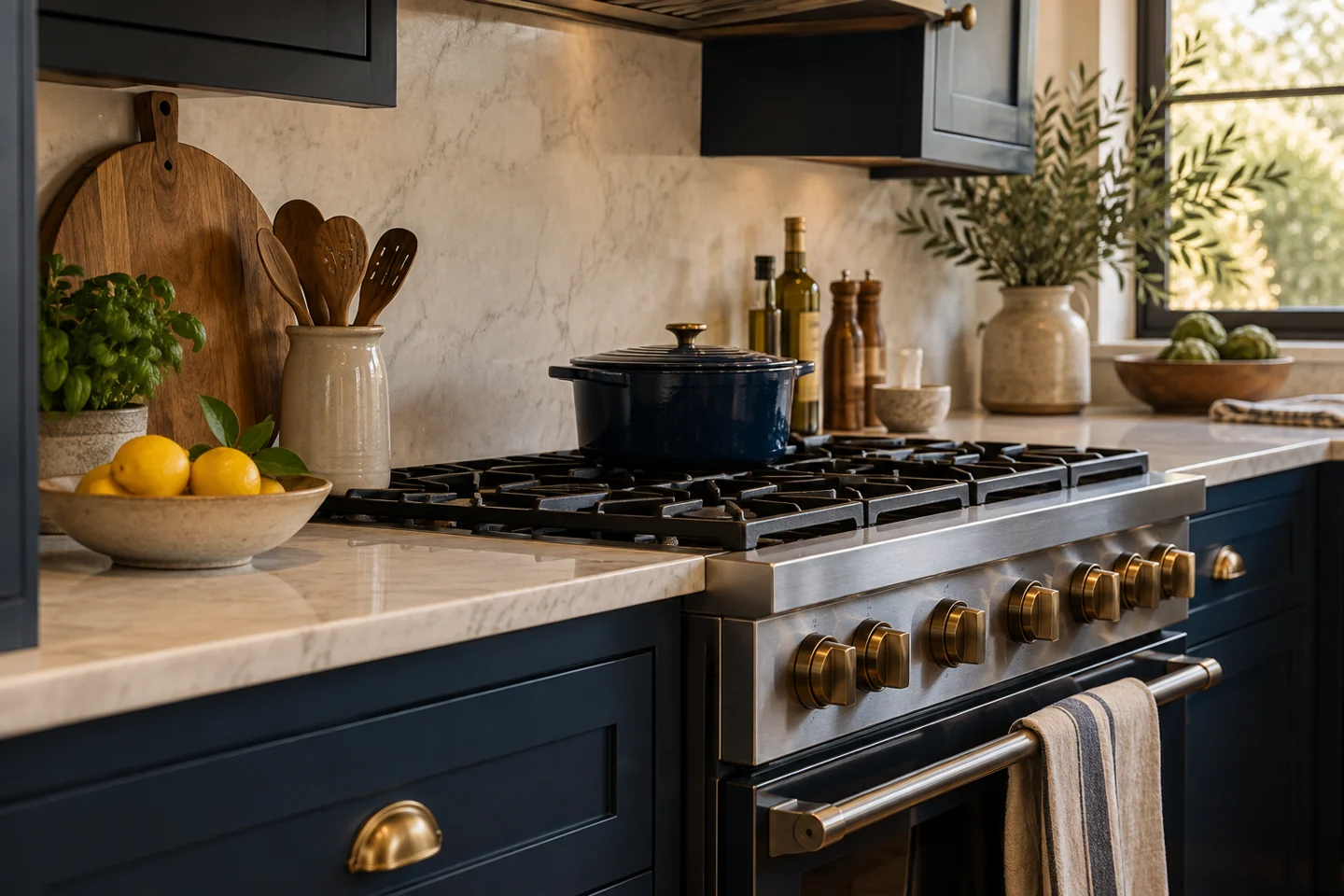
A supply line designed around the appliance
Gas line installation adds or revises customer-owned piping to provide a suitable fuel supply at an intended appliance location. It may be part of a remodel, a new appliance purchase, an outdoor living project, or a supply change to a detached structure. Good planning starts with the appliance and the existing system, not simply the shortest route between two points.
The design needs to account for fuel type, appliance input, existing demand, route length, materials, protection, access, and local requirements. These factors interact. A line that appears large enough or a nearby outlet that looks convenient does not establish suitability. A qualified professional evaluates the actual system and the appliance documentation before describing the work.
Our Enid gas line service guide distinguishes new installations from repairs. If the reason for calling is a broken existing pipe, the first task is to understand its condition. If the reason is an added appliance, the first task is to understand the new demand and connection location. Both may result in new piping, but they begin with different questions.
Information to gather before planning
Have the appliance manufacturer, model, fuel type, and installation information available. For a future purchase, the intended model is more useful than a general description such as “large stove” or “new heater.” Two appliances serving a similar purpose can have different input ratings and connection requirements. A fuel conversion also requires attention to the specific manufacturer's requirements.
Describe where the appliance will be used and whether that location is final. A range moved to another wall, a dryer relocated to a different room, or a grill added outside can change the route and access requirements. Explain whether the work is part of a larger remodel, whether walls or ceilings are already open, and which other trades are involved.
Mention the existing appliances supplied by the gas system and any known previous alterations. You do not need to calculate demand or identify every hidden branch. The information simply gives the professional a better starting point. If documentation is unavailable, say so rather than guessing. Appliance connection planning explains why the final connector is only one part of a successful installation.
Reviewing capacity, route, and access
A supply review considers the proposed appliance together with the system that serves it. Adding a high-demand appliance can affect upstream sizing or other branches. The professional determines what evaluation and design are required; this is not a matter of matching a visible connector diameter. Ask whether the quoted work includes the necessary review of the existing supply rather than only an outlet at the destination.
Route planning considers physical protection, accessibility, support, and the type of space the piping passes through. A path behind a finished surface has different access implications from an exposed route. A line outdoors or underground also has different material and protection requirements. Discuss which surfaces need opening and which approvals may need to occur before those surfaces are closed.
Consider future access at the appliance location. Cabinetry, appliance placement, and other equipment should not make the eventual connection or required service access impractical. The professional can explain the relevant constraints at a useful level. Your decision is about the location and project expectations, while material selection, sizing, and installation details remain part of qualified design and workmanship.
Outdoor appliances and detached structures
An outdoor gas installation may serve a grill, a fireplace feature, or another appliance approved for the intended location and fuel. A detached structure may involve a longer customer-owned run. These projects add questions about route ownership, buried services, surface conditions, equipment placement, and restoration. They should be discussed before a patio or other finished surface makes access more difficult.
Confirm whether the outdoor equipment uses natural gas or propane. Do not assume a product marketed as a gas grill can connect to either fuel without an approved arrangement. The appliance's own instructions, the available supply, and any conversion requirements should be reviewed before the line is planned. A move later in the project can change more than the last connection.
For buried sections, call 811 before excavation is planned and discuss whether private customer-owned lines need a separate locating service. Utility marking does not necessarily identify every private line on the property. The underground gas piping page describes those responsibilities. Include landscaping, paving, and other restoration in the project conversation, even when another contractor will perform that work.
Permits, inspections, and coordination
Local approvals depend on the property and the work. Enid provides construction and trade-permit resources through Community Development, including gas-related inspection categories in its construction application. The professional should confirm the applicable permit and inspection requirements rather than rely on assumptions drawn from a different town or a previous job.
A property in Waukomis, Garber, or Lahoma should have its own jurisdiction clarified. A mailing address may not prove whether the property is within municipal limits. Ask who obtains approvals, how inspections fit into the schedule, and what documentation you will receive. If the installation affects utility service or metering, any required utility coordination needs a separate plan.
Where a remodel involves several trades, coordinate the gas installation with access work, appliance delivery, cabinetry, and final finishing. Some checks may need to occur while piping remains accessible. Avoid a plan that closes the work area before required review is complete. Establish which party communicates changes so a moved appliance or altered route does not quietly invalidate the original scope.
What a complete installation proposal covers
A useful proposal identifies the appliance or destination, the general route, any changes to the existing supply, and the included material and labor scope. It explains access needs, testing and approval responsibilities, and whether final appliance connection is included. It should distinguish gas piping work from appliance commissioning or other work that may require separate expertise.
Ask what is excluded. Opening a wall does not necessarily include finishing it, and trenching does not automatically include restoring a patio to its original appearance. Clarify removal, cleanup, surface repair, and any work by other trades. If the existing piping is found unsuitable during evaluation, ask how an additional replacement scope would be proposed and approved.
The professional determines the appropriate tests and inspection sequence before the changed piping returns to use. Do not carry out your own pressure test or turn on utility equipment. Keep the finished-work information and appliance documentation together. For a planned project, call with the location and appliance details to discuss availability. A suspected active leak takes a different route: leave and report it from a safe location before arranging ordinary installation work.
Common questions
Can a new gas line be added for a range?
A professional can evaluate the intended range location, fuel type, appliance demand, and existing supply. The project may need a new branch or a revision farther upstream. Provide the model and installation documentation before the work is scoped, especially if the range is part of a remodel or a change from electric cooking.
Can an existing line supply a bigger appliance?
That requires a system review. A larger appliance may have a different input rating, and other appliances may share the upstream supply. A connection that physically fits does not prove adequate design. Ask whether the existing system has been assessed for the proposed demand and what changes are included if it is unsuitable.
Is outdoor gas piping a separate kind of project?
It has additional location and protection considerations. Buried routes may require utility and private-line locating, excavation, inspections, and restoration planning. Exposed outdoor piping also needs materials and protection appropriate to its conditions. Confirm appliance placement and fuel compatibility before deciding that an outdoor connection is a simple extension.
Should a line be installed before appliance delivery?
Planning before delivery is useful because the appliance's requirements can be reviewed early. The appropriate work sequence depends on access, approvals, other trades, and the final connection. Ask which information is needed before the appliance arrives and what must be available for the completed installation to be checked.
Does every installation require a permit?
Requirements depend on the work and the authority for the property. Confirm with the professional and local authority rather than relying on a blanket yes or no. Ask who handles the permit, which inspections apply, and whether finishing work must wait for an inspection before the affected area is closed.
What if the project changes after the estimate?
A new appliance model, location, route, or demand can change the design and price. Tell the professional before the change is implemented. Request an updated scope where necessary so the installed piping reflects the final requirements. A small layout change can affect access, approvals, and the existing supply assessment.
Let’s start with the gas line problem.
Call to discuss the issue, your location, and service availability.