Gas Leak Detection in Enid, OK
Understand emergency reporting, professional evaluation, and the next step after a suspected gas piping problem.
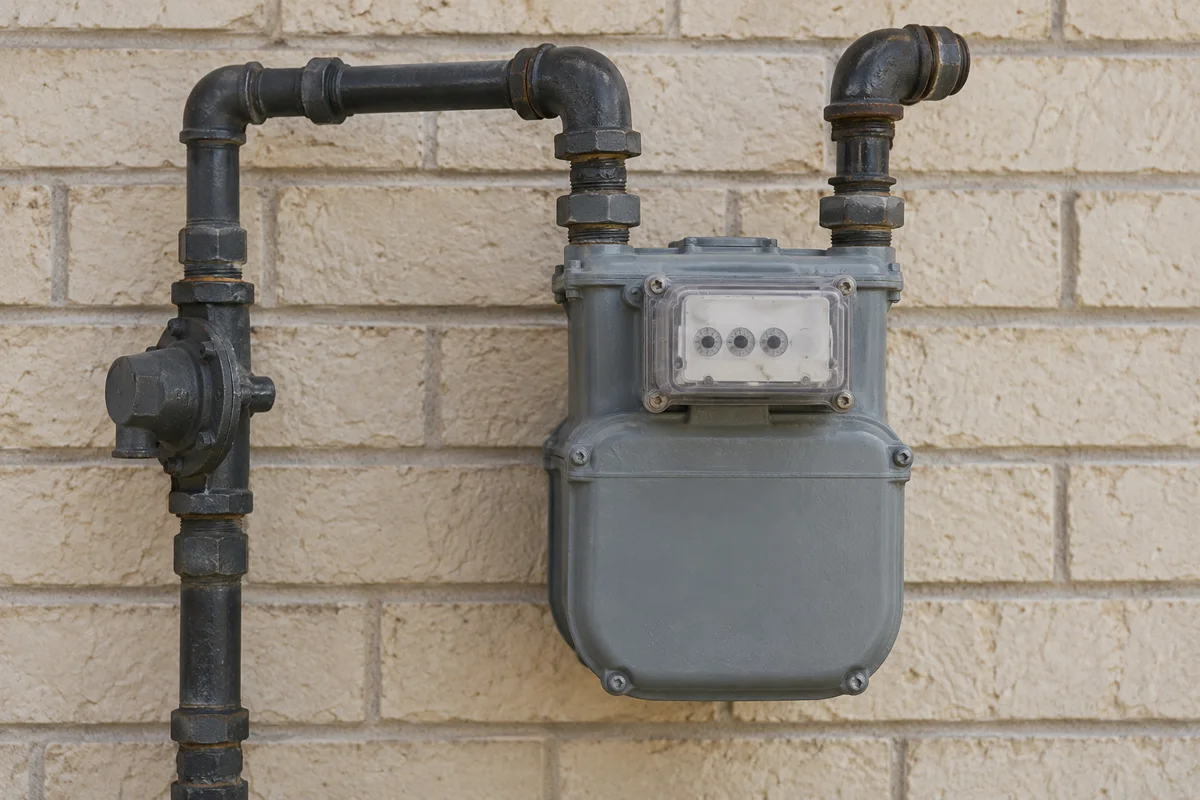
Emergency reporting comes before detection planning
Gas leak detection is the professional evaluation used to identify a suspected release of gas and determine which equipment or piping is affected. It is different from repairing a confirmed defect. When gas odor or another sign suggests an active leak, the immediate task is leaving the area and reporting the concern to emergency services and the gas utility from a safe location.
Do not stay inside to find the source, operate switches, use a phone in the affected area, or attempt to adjust piping. Oklahoma Natural Gas instructs customers to leave and call 911 and 800-458-4251 from a safe location. Follow the utility and emergency responders' directions about returning. The routine phone number on this website is not a substitute for that emergency reporting process.
After the immediate situation is controlled, a professional may need to evaluate customer-owned piping or an appliance connection. The gas line help in Enid described here concerns understanding that next step. Keep any findings or utility notice available so subsequent evaluation addresses the identified issue rather than repeating assumptions about what might be wrong.
What a professional evaluation is trying to establish
The evaluation aims to answer several distinct questions: whether a gas release is present, where it originates, which section is affected, and what further assessment or repair is required. The source might involve a customer-owned line, an appliance connector, appliance equipment, or utility-owned components. Those possibilities carry different responsibilities and may require different expertise.
Professionals use methods and instruments appropriate to the system and the question being investigated. A visual inspection can identify damaged or disturbed components, but appearance alone cannot establish whether the complete system is sound. Depending on the situation, additional tests, access, or coordination may be necessary. Ask what has been checked and what the findings actually establish.
A precise written finding is more useful than a vague statement that “the gas line is bad.” Ask which section is implicated and whether the apparent source has been distinguished from nearby equipment. This is especially important before approving replacement. A confirmed defective connector and widespread piping deterioration should not lead to identical repair proposals simply because both were initially described as a gas smell.
Symptoms, observations, and their limits
Natural gas is intentionally odorized to help people recognize a possible release. A reported gas-like odor should be taken seriously, even if it is intermittent or no alarm sounds. Do not repeatedly return to the area to reproduce the smell. If the odor is present or an active leak is suspected, leave and make the emergency report from a safe place.
Other observations can provide context after safety is addressed. An appliance may have been moved, a pipe may have been struck, or yard work may have disturbed an area with buried services. Report the timing and the change to the professional without trying to prove the cause. A higher bill or poor appliance operation alone does not identify a gas leak; those concerns need their own evaluation.
Carbon monoxide is a separate, odorless hazard. A standard carbon monoxide alarm does not establish whether natural gas is leaking. Some products combine sensor types, but you must follow the specific manufacturer's instructions. Neither a quiet detector nor the absence of odor proves all piping is safe. Professional findings and the scope of completed testing should guide any repair or restoration decision.
Customer piping, utility equipment, and appliances
Responsibility matters because leak evaluation and the resulting repairs may involve different parts of the supply. Oklahoma Natural Gas states that it does not maintain customer-owned natural gas piping or appliances. It can identify concerns involving its own equipment and explain any requirements associated with an interruption or restoration. Confirm the boundary for the actual property rather than assume it from a meter's location.
Customer-owned piping may run inside the home, through a crawlspace, or toward a secondary structure or outdoor appliance. A buried run can belong to the customer even when it looks like a utility service. If that is the affected section, underground line evaluation introduces access and locating issues that do not apply to a visible appliance connector.
An appliance fault is not automatically a pipe fault. The equipment, connector, and branch supply should be distinguished before the work is defined. Share the appliance model and any recent change in its position or operation. The appliance connection guide explains those boundaries. A utility notice may identify a condition but still require a qualified professional to define the appropriate customer-side correction.
How findings become a repair scope
Once the source and affected section are established, the professional explains the corrective options. A focused repair may address an isolated connection or a damaged segment. A larger replacement may be appropriate when condition problems extend beyond the localized finding. Ask which evidence supports the recommendation and whether adjacent piping was included in the assessment.
Gas line replacement is a separate decision from leak detection. Detection identifies the concern; replacement describes one potential response. An estimate should name the section, access requirements, repair or replacement boundaries, included tests, and any approval or restoration steps. The result should be understandable without a homeowner needing to interpret specialist instrument readings.
If initial access is limited, the professional may explain why more investigation is needed before the final scope can be confirmed. Ask what additional access could reveal and how a changed scope would be authorized. Do not treat a preliminary finding as a guarantee about hidden piping. Clarifying uncertainty early makes it easier to compare proposals and avoid assuming a repair covers more of the system than it actually does.
Returning to use and keeping useful records
Completed repair work may require testing, inspection, and utility coordination before the affected supply returns to use. The professional and relevant authority determine the requirements. If the utility interrupted service, ask what it needs for restoration and who handles that communication. Do not remove tags, operate the meter, restart appliances, or attempt your own test to shorten the process.
Keep the original notice or findings with the corrective-work documentation. Ask for an explanation of what was repaired, what was tested, and which areas were outside the evaluation. A record that clearly distinguishes the affected pipe from the appliance or utility equipment is useful for future maintenance and appliance changes. It also helps prevent a later inquiry from beginning with incomplete information.
For planned follow-up, describe the property location, whether service remains off, and what emergency responders or the utility already reported. Mention access constraints and any appointment or inspection requirements. The contact page provides a short preparation checklist. If a gas odor returns while you are preparing for a routine appointment, treat it as a new suspected active leak and leave before making the emergency report.
Common questions
Should I call this website first if I smell gas?
No. Leave the affected area immediately and call 911 and your gas utility from a safe location. Oklahoma Natural Gas customers can call 800-458-4251. The website service inquiry is for ordinary planning and follow-up after immediate safety concerns have been addressed. Do not remain near the suspected leak while calling.
Can an intermittent smell still need attention?
Yes. An intermittent odor is not a reliable reason to dismiss a suspected leak. Do not try to recreate it or wait in the area for it to return. Report what you noticed from a safe location and follow emergency or utility instructions. A professional can address the investigation once the immediate situation is controlled.
Does leak detection include the repair?
Not necessarily. Detection establishes the source and findings; repair is the corrective work agreed afterward. Ask whether an evaluation charge includes any repair, what happens if further access is needed, and how the estimate will be provided. Keeping these stages clear helps you understand what was actually authorized.
Will all gas piping need replacement after a finding?
A finding in one section does not by itself establish that every line needs replacement. The condition and suitability of surrounding piping should guide the scope. Ask what was assessed, where the defect is, and why the proposed repair or replacement extends to its particular boundaries.
Does a household alarm replace a professional evaluation?
No. Alarm functions vary, and a standard carbon monoxide detector is not a natural gas leak detector. Follow the product instructions and emergency guidance. A silent device does not override a gas odor or establish that piping is safe. Any completed evaluation should explain its actual scope and limits.
What should I tell the professional after the utility visit?
Provide any utility notice, the section identified, whether service is off, and the required next steps you were given. Describe relevant appliance moves or damage without guessing at a diagnosis. Ask who coordinates correction and restoration so the repair plan addresses the utility's specific finding and the property's customer-owned piping.
Let’s start with the gas line problem.
Call to discuss the issue, your location, and service availability.