Gas Line Inspection in Enid, OK
Understand what is visible, what needs further evaluation, and which findings should guide repairs or appliance changes.
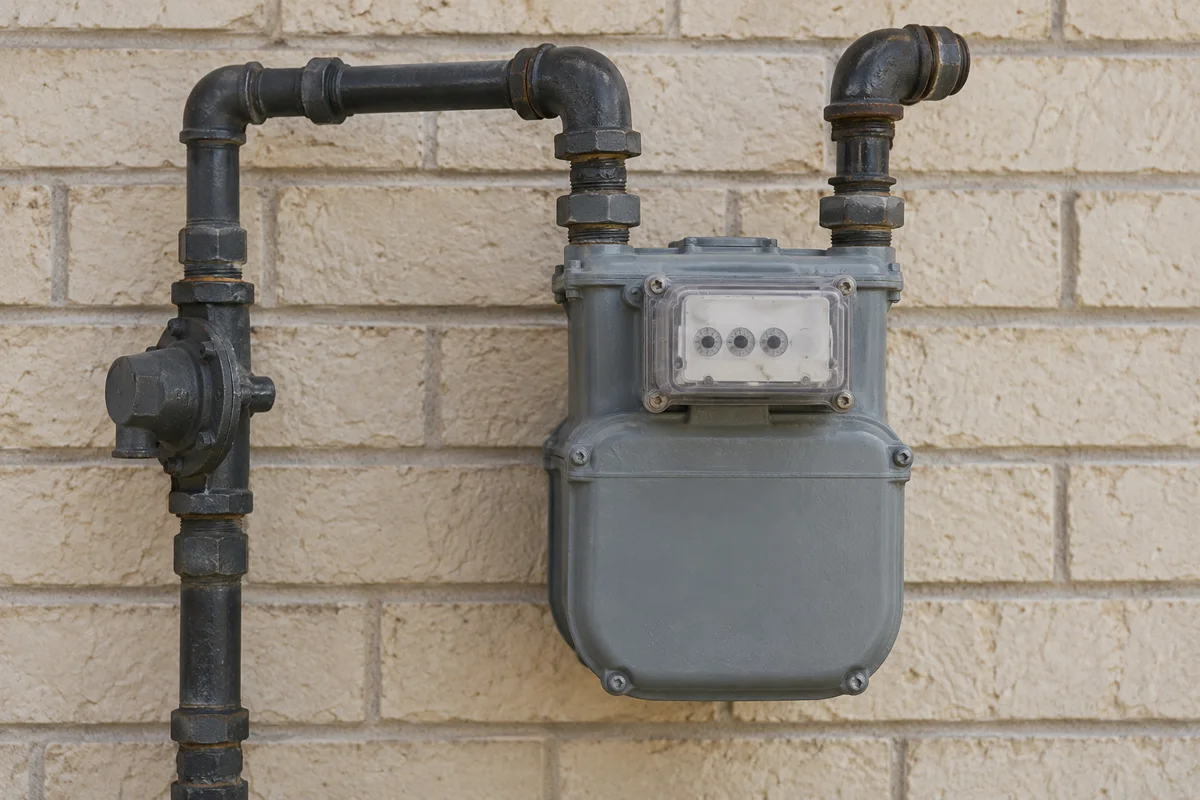
An inspection starts with a defined question
A gas line inspection is a professional review of the piping within an agreed scope. It can help identify visible condition issues, review an unfamiliar arrangement, or determine whether further evaluation is needed before repair or an appliance change. It does not automatically mean every hidden section was examined or that every possible test was performed.
Start by describing the reason for the inspection. You may have noticed impact damage, be planning a remodel, have inherited unfamiliar piping, or need to understand a utility notice. Each reason can change the useful scope. Ask which areas will be reviewed, what access is needed, and whether any separate testing or specialized evaluation is included.
The professional gas line repair guide for Enid explains how inspection findings support decisions. A useful review separates what was observed from what remains uncertain. It should describe recommended action in plain language, including whether a focused repair, a replacement assessment, or further investigation is appropriate. A general statement that the line “looks fine” does not explain the limits of the review.
Situations where evaluation may be useful
Visible pipe damage, disturbed support, corrosion, or a recent appliance move can be reasons to request professional evaluation. A remodel that exposes existing piping may also raise questions about route, condition, or compatibility with a new layout. The concern should be assessed using the actual installation, not assumptions about the age or style of the house.
A planned appliance change is another reason to review the supply. The inspection may help establish what piping exists and what further design information is required. It is different from confirming a new appliance's entire installation. Appliance connection planning should also consider the model, fuel type, demand, and manufacturer instructions.
If a gas odor or suspected active leak is present, do not schedule an ordinary inspection as the first response. Leave the area and report the concern to emergency services and the gas utility from a safe place. Once that immediate situation is addressed, an inspection of customer-owned piping may be part of the follow-up. The utility's written findings can help define what the professional needs to evaluate.
Visible piping and the limits of access
A visual review is limited by what can safely be reached and observed. Exposed pipe, connections, supports, transitions, and accessible appliance supplies may be reviewed within the agreed scope. Hidden branches behind walls, inaccessible crawlspace areas, or buried runs require different access or evaluation. Ask which parts were not seen and how that limits the conclusions.
Do not move appliances, remove finishes, or disturb piping merely to prepare for an inspection unless the professional has established a safe and appropriate access plan. A homeowner's attempt to expose or reposition equipment can introduce new damage. Describe access constraints in advance so the evaluation can account for them and any required additional work can be discussed clearly.
For buried customer-owned piping, a visible exterior end does not establish the condition of the whole underground run. Route documents and ownership information may be helpful, but locating or further assessment can be needed. An inspection report should not imply a complete review of unseen piping based solely on a few accessible points.
Materials, connections, and installation context
The professional identifies the installed materials and considers their use in the relevant location. Rigid steel, approved flexible piping systems, and buried materials have different installation requirements. Corrugated stainless steel tubing is not the same component as an appliance connector. Manufacturer requirements and applicable codes matter when reviewing transitions, support, protection, and other conditions.
Condition also needs context. A surface mark or discoloration may prompt closer evaluation, but appearance alone does not quantify deterioration. A line pulled by an appliance move may raise questions even if a section looks new. The review should consider the actual condition and installation arrangement, distinguishing confirmed findings from a recommendation for further investigation.
Ask what each recommendation addresses. Some changes may correct damage, while others may relate to an intended appliance or remodel. If replacement is suggested, understand the proposed boundaries and why adjacent piping is included or excluded. This makes the report useful for decisions rather than a list of unfamiliar terms without a clear next step.
Inspection, leak detection, and testing are different
An inspection can include a visible condition review, while gas leak detection focuses on identifying a suspected release and its source. Testing answers particular questions about the system under professionally selected conditions. These activities may overlap in a project, but one should not be assumed to include all the others.
Before the appointment, ask what is included and what would require a separate charge or visit. Afterward, ask what the completed methods actually establish. A report should name the areas reviewed, any findings, relevant limits, and recommended actions. It should not claim every hidden part is safe when the scope did not include those parts.
Testing methods and requirements belong with qualified professionals. Do not request homeowner instructions for testing pressures, valve changes, or piping isolation. If repair work follows the inspection, the professional should explain the appropriate confirmation and approval process for that work. A prior inspection does not remove the need to follow requirements associated with a later change to the system.
Using the findings to plan next steps
The most useful outcome is a clear action plan. It may recommend no corrective work within the reviewed scope, a specific repair, additional access, a replacement evaluation, or a supply design review before an appliance is added. Ask which items are urgent, which are related to a planned project, and which need another professional or the utility.
For work in Enid, confirm applicable approval requirements with the professional and the relevant authority. For Waukomis or other nearby towns, establish the property's own jurisdiction. An inspection provided for your planning is not necessarily a municipal inspection or utility authorization. Keep those roles distinct so a later repair is not delayed by an assumed approval that never occurred.
Save the report and any photographs or records supplied as part of the evaluation. If an estimate follows, compare its boundaries to the findings and clarify any difference. Contact with the inspection question, property location, access constraints, and utility notice if one exists. For a suspected active leak, leave and make the emergency report first; a routine inspection inquiry can wait until the immediate hazard is addressed.
Common questions
Does an inspection certify every gas pipe in the home?
It only establishes what the agreed scope and completed methods support. Hidden or inaccessible sections may not have been reviewed. Ask for the areas inspected, limitations, findings, and any recommended further evaluation. Avoid assuming that a brief visual check is equivalent to a complete system certification.
Is inspection the same as leak detection?
No. An inspection may review visible condition and installation context. Leak detection investigates a suspected gas release and source. A project may include both, but the proposal should say so. Confirm which methods and areas are included, and what additional work would be required if the initial findings need further investigation.
Should I arrange an inspection before a remodel?
It can be useful when the project affects gas piping, appliance location, or access. Share the proposed layout and appliance information so the review addresses the upcoming change. An inspection of current condition does not itself design the future supply, but it can identify questions that should be resolved before surfaces are closed.
Can surface rust tell me whether a pipe needs replacement?
Surface appearance alone cannot establish the extent of deterioration or the correct scope. A professional should assess the affected section and context. Do not scrape or manipulate suspect piping to investigate. Ask which findings support a repair or replacement recommendation and which areas require additional evaluation.
Is this the same as a city inspection?
A professional review for a homeowner and an inspection by the authority having jurisdiction are different roles. Ask what the appointment provides and whether separate permits or municipal inspections are required for any corrective work. A report should not be assumed to replace approval required for a later installation or repair.
What is useful to include in an inquiry?
Explain the question you want answered, the property location, the visible concern, and any planned appliance or remodel change. Share previous findings and utility notices if available. Mention access constraints. Do not enter an unsafe space or disturb piping to prepare; suspected active leaks require emergency reporting first.
Let’s start with the gas line problem.
Call to discuss the issue, your location, and service availability.