Gas Line Repair in Lahoma, OK
Make the project clear—from the reason for the work to the supply, access, approvals, and finishing responsibilities.
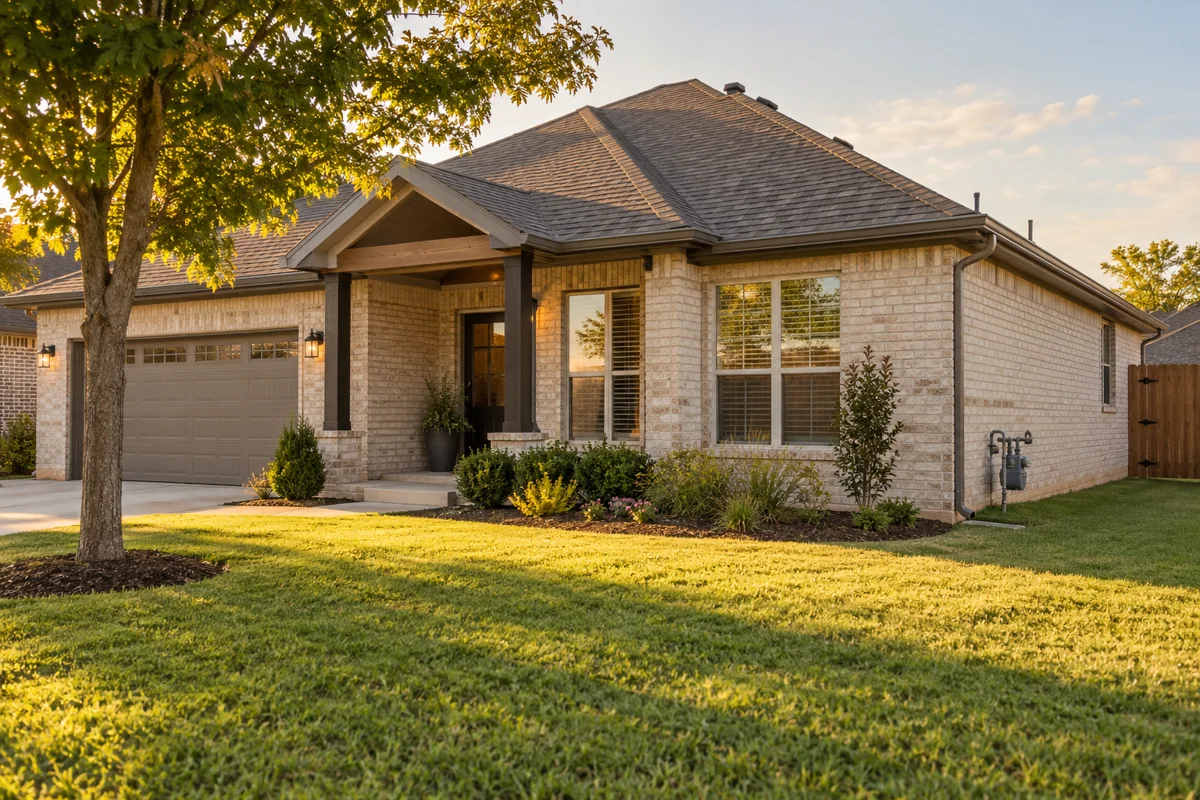
Planning gas piping work in Lahoma
Lahoma is a Garfield County town west of Enid. Name Lahoma and the exact property location when discussing gas piping availability. If the property is outside town limits, mention that distinction if known. Local approvals follow the actual jurisdiction, not simply the nearest community or the place used in a mailing address.
The purpose of local planning is to organize the right questions. It does not establish a standard pipe material, house age, fuel type, or system condition for every property. A professional should assess the installation present, including any past changes and the appliances it serves. Describe what is known and leave uncertain details for evaluation.
For gas line repair information near Enid, the broader guide explains emergency reporting and the service types. This Lahoma page focuses on planned supply work, scope comparison, and responsibilities. Confirm availability directly before coordinating delivery, access, or work by other trades around an assumed appointment.
A planned installation or a repair problem?
An inquiry becomes clearer when the goal is identified first. Adding a gas appliance is a design and connection question. Correcting a confirmed damaged section is a condition and repair question. Replacing a deteriorated run may involve both evaluation and route planning. These are related services, but the reason for work should be apparent in the proposal.
For a planned installation, provide the appliance model, fuel type, and final location. Ask whether the quote includes review of the existing supply, any upstream change, final connection, testing, and approvals. A line that reaches the destination is not by itself a complete supply design.
For an existing concern, share previous findings and explain when it began. If the utility interrupted service, provide its notice and restoration instructions. Do not describe a suspected active gas leak as ordinary scheduled work: leave and contact emergency services and the utility from a safe place first. Routine planning begins once the immediate hazard is addressed.
Comparing a focused repair with replacement
A localized repair can be reasonable when the defect is isolated and adjacent piping remains suitable. A longer replacement may be proposed when deterioration is broader or the route needs revision. Ask how the professional reached that conclusion and whether inaccessible sections introduce uncertainty. A useful explanation links evidence to the proposed work boundaries.
The replacement guide offers questions about materials, routes, and what remains in place. Compare estimates using the same start and end points. A proposal that includes a new branch, wall access, and restoration should not be compared as though it were the same job as one connector replacement.
If the evaluation reveals an additional issue, clarify how it changes the scope before approving more work. Written changes make the decision easier to follow. Ask what must be resolved for the affected section to return to use and what is being recommended for a separate planned improvement. Those categories should not quietly merge into an unclear single price.
Access and restoration deserve equal attention
Access can shape a gas piping project as much as material and length. An exposed connection, a line behind a finished wall, and a buried run beneath a paved surface present different tasks. Describe the area without attempting to open it or move appliances yourself. The professional determines what access is appropriate and how to perform the evaluation safely.
For buried supply work, confirm ownership and locating before excavation. Private lines may need locating beyond an 811 request. Discuss the surface above the route and the expected condition afterward. Backfilling, landscaping, and hard-surface repair may have separate responsibilities and costs.
For an interior job, clarify who opens and finishes walls or ceilings and how inspection timing affects closure. A gas piping scope does not necessarily include repainting or cabinetry changes. If another trade will finish the area, agree the handoff. The Garber planning guide addresses similar coordination questions for separate properties east of Enid without assuming they share Lahoma's project requirements.
Preparing the call and keeping a clear record
For a Lahoma inquiry, gather the property location, reason for work, and any utility or appliance documentation. Explain whether the system uses natural gas or propane and whether service is on or off. Mention access limitations, another contractor's schedule, and whether an owner or tenant needs to authorize entry.
Ask who confirms the relevant approval authority and handles permits, inspections, testing, and utility communication. Establish which restoration tasks are included and what happens if the route or hidden condition differs from expectations. An estimate should explain exclusions as plainly as the included piping work. Keep that scope with the completed-work records afterward.
If you suspect an active gas leak, leave the affected area and avoid switches, flames, electrical devices, and nearby vehicle ignition. From a safe place, call 911 and the gas utility. Oklahoma Natural Gas customers can call 800-458-4251. Do not return to collect documents or restart appliances until responders or the utility say it is safe. The routine site phone is for planned inquiries and follow-up, not emergency reporting.
Common questions
What helps distinguish an installation from a repair inquiry?
Explain the goal. A new appliance or location is a supply design question; an existing damaged line is a condition question. Provide the appliance model for planned work or findings for a repair. The scope should state why the work is needed rather than describe every situation only as “new gas line.”
Can I compare quotes by their total price?
Only when the same work is included. Compare boundaries, access, material scope, testing, approvals, utility coordination, and restoration. Ask what is excluded and how additional findings are handled. Two different scopes can have different totals without one necessarily being a better value for the actual problem.
What if the property is outside Lahoma town limits?
State that if known and give the exact location. Ask who establishes the authority and applicable approvals before work begins. Do not assume Lahoma or Enid requirements apply from a mailing address alone. The professional should clarify the relevant jurisdiction as part of organizing the work.
Is an existing appliance outlet ready for a new model?
It needs review. The fuel type, input rating, connector arrangement, upstream supply, and final position should be checked against the new equipment's requirements. Gather the manufacturer information before installation. A previous appliance working at that location does not prove the replacement can use the connection unchanged.
What details should the completed-work record include?
Keep the agreed scope, any approved changes, completed-work description, and applicable testing or approval documentation. Preserve utility notices and restoration instructions when involved. Ask which sections were assessed and changed. For buried work, any supplied route information helps future planning, but current locating is still needed before digging.
Let’s start with the gas line problem.
Call to discuss the issue, your location, and service availability.