Gas Line Repair in Garber, OK
A clear plan for customer-owned gas piping, appliance supply, and outdoor line questions east of Enid.
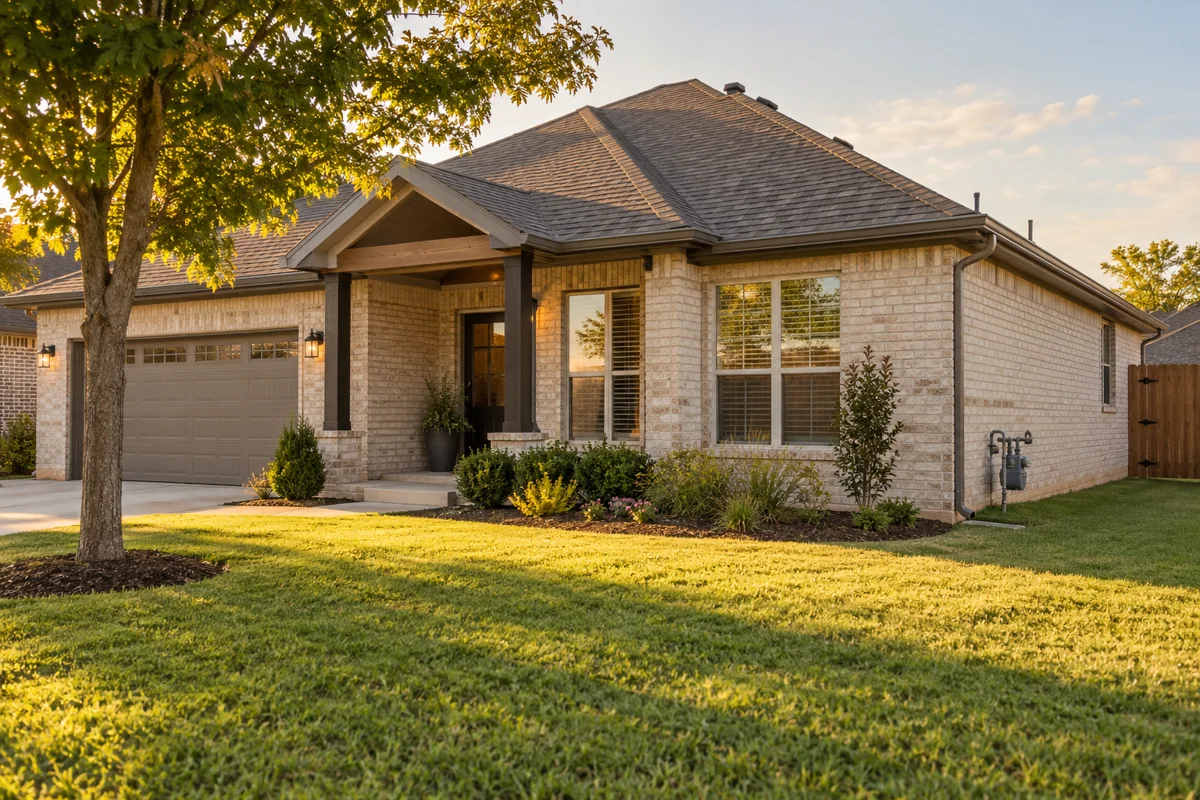
Gas piping questions east of Enid
Garber is a Garfield County community east of Enid. For a service inquiry, give Garber and the exact property location so the availability and approval discussion is based on the correct place. A property outside the incorporated community may need different jurisdiction questions clarified from one within it.
Geography does not tell a professional which piping materials, fuel, appliances, or access conditions are present. Explain those details from what you know, and identify uncertainties rather than filling them with guesses. A customer-owned outdoor run, an appliance connection, and utility equipment all need different responsibility and scope discussions.
The gas piping repair overview covers the broader Enid-area service topics. For a Garber project, this guide emphasizes coordinating the property information, distinguishing evaluation from replacement, and including access and restoration in the plan. Availability should be confirmed for the specific address and concern rather than inferred from the regional focus.
An outdoor or detached-structure line
If the gas line serves a detached structure or outdoor appliance, begin by identifying that destination and the fuel type. A natural gas utility supply and a propane installation should not be assumed to use the same arrangement. Tell the professional who supplies the fuel and share appliance or past-work documentation where available.
A buried run may be customer-owned. Confirm the utility boundary and the section needing work before planning access. The underground gas line guide explains utility and private-line locating responsibilities. An 811 request does not necessarily identify every customer-owned service on a property, so ask whether additional locating is needed.
Describe any surfaces above the known route, along with recent ground work or physical damage. The professional needs a practical access plan, not simply a length estimate. Do not dig to verify the route or expose a suspected defect. If a leak is suspected, leave and follow emergency reporting guidance from a safe location before organizing routine repair work.
Evaluation before choosing replacement
A replacement recommendation should explain the condition findings and the boundaries of the new work. One affected point does not prove every branch needs replacing, while a limited visible defect may not capture all the deterioration. Ask what surrounding piping was reviewed and what remains uncertain because it is hidden or inaccessible.
Replacement planning can include revised routes, material requirements, access, testing, and local approvals. A proposal should identify what remains and why, not use the word “replacement” without a start and end point. If additional access is needed to finalize the scope, establish how discoveries and price changes will be communicated.
Comparing two estimates only by total price can be misleading. One might cover a small exposed segment while another includes a longer run, utility coordination, or restoration. Ask each professional to state the same practical boundaries and exclusions. This gives you a sounder basis for deciding whether the proposed work addresses the actual concern.
Gas appliances and a complete project schedule
A new or relocated appliance needs a supply review based on the specific model, fuel, and final location. Share those details before scheduling installation. A convenient existing outlet does not establish that the upstream system can accommodate the equipment. The appliance connection guide separates supply planning from the final connector.
For Garber projects involving other trades, coordinate access, delivery, inspections, and finishing. A gas line route through an area that will soon be enclosed needs its approval sequence understood before the surface work proceeds. If an appliance model or position changes, communicate that change before the original plan is carried out.
Agree who handles final connection and any separate equipment commissioning. Piping installation, appliance service, ventilation work, and surface restoration may involve different scopes. The complete schedule should reflect those distinctions. When another property is being planned near Enid itself, the North Enid guide explains why a precise municipal location is worth identifying early.
What to confirm for a Garber inquiry
Call with the location, the type of piping concern, and whether there is an existing utility notice. Ask about availability, the initial evaluation, and which information is needed for a written estimate. If a buried line is involved, state the destination and surface conditions. If an appliance is involved, give the model rather than rely only on the appliance category.
Confirm the approval authority for the actual property, permit and inspection responsibilities, and any restoration or utility coordination. Ask how a service interruption will be managed and what must be completed before use resumes. Preserve the estimate and completion records, especially where the work changes a buried route or serves more than one appliance.
If gas odor is present or an active leak is suspected, leave immediately and avoid potential ignition sources. Use a phone only after reaching a safe place to call 911 and the gas utility. Oklahoma Natural Gas customers can report at 800-458-4251. Wait for the utility or emergency responders to determine when returning is safe. Routine availability discussions are for planned work or follow-up after that immediate response.
Common questions
Can a line to a detached structure be evaluated?
A professional can assess the customer-owned supply, destination, fuel type, and condition within an agreed scope. Explain whether the route is buried or exposed and what surfaces may affect access. Confirm ownership and locating responsibilities before excavation. The project should include testing, approvals, and restoration expectations where applicable.
Does living near Garber establish the permit authority?
No. The exact property and whether it is within municipal limits need to be clarified. State what you know and ask who verifies the authority and requirements. A nearby town name or mailing address alone should not be used as proof that a particular permit or inspection process applies.
Should the entire line be replaced after one defect?
That depends on the findings and remaining condition. Ask which sections were assessed and why the proposed replacement extends to its particular boundaries. A single defect and widespread deterioration are different situations. The scope should be tied to evidence rather than a general assumption about property age.
How should I compare a buried repair estimate?
Compare the same line section, access assumptions, locating, testing, approvals, and restoration. Determine whether landscaping or hard-surface repair is excluded or handled by another trade. Establish how uncertain route or condition findings could change the scope. A lower total for less included work is not a like-for-like comparison.
What if an appliance changes during the project?
Tell the professional before installation continues. A different model, fuel requirement, demand, or position can affect the supply and connection. Request an updated scope if necessary. Keep appliance documentation available so final work follows the actual equipment requirements rather than a plan based on the previous selection.
Let’s start with the gas line problem.
Call to discuss the issue, your location, and service availability.